मेनू नोट
A Miraculous Botanical Survivor Rescues Hope from the Brink of Extinction in Ecuador
An extraordinary botanical discovery in the cloud forests of South America has sent waves of optimism through the global conservation community. A miniature floral organism measuring just five centimeters in height has emerged as a powerful symbol of ecological resilience. Named Amalophyllon miraculum, this newly recognized species managed to endure decades of severe habitat destruction along the famous Centinela Ridge, an elevated region in Ecuador historically devastated by intense agricultural expansion over the past century.
Austin Carter
किचन नोट
सर्विंग नोट
पूरा लेख नीचे मेनू बोर्ड पर जारी है।
कोर्स
हॉटपॉट स्टीम किचन
An extraordinary botanical discovery in the cloud forests of South America has sent waves of optimism through the global conservation community. A miniature floral organism measuring just five centimeters in height has emerged as a powerful symbol of ecological resilience. Named Amalophyllon miraculum, this newly recognized species managed to endure decades of severe habitat destruction along the famous Centinela Ridge, an elevated region in Ecuador historically devastated by intense agricultural expansion over the past century.
For many years, environmental scientists feared that the extensive clearing of native woodlands for farmland had entirely erased the unique flora of the region. However, recent botanical surveys reveal that pockets of biodiversity are stubbornly holding on in isolated fragments of the remaining wilderness. The unexpected identification of this tiny plant provides a comforting indication that the biological losses of the area, though undeniably severe, may not be as completely absolute as previously assumed.
Local Landowners Save Imperiled Ecosystems from Total Destruction
The documented survival of this new species is largely credited to the commendable conservation choices made by independent local farmers. While industrial logging altered much of the landscape, a few forward-thinking property owners actively chose to safeguard the pristine forest patches on their land rather than clearing them for profit. In one specific instance, researchers exploring the edge of a local farm struck up a conversation with the landowner, who graciously invited them to survey his private wooded acreage.
Deep within this protected haven, scientists encountered the tiny, hitherto unknown plant growing near a natural waterfall, recognizable by its unique purple coloration and shimmering green leaves. This collaborative discovery underscores the critical importance of grassroots conservation and serves as a humbling reminder of the vast biological secrets that remain hidden within threatened habitats. The successful naming of this organism follows closely on the heels of the rediscovery of another local plant variety, Gasteranthus extinctus, which was also once prematurely classified as entirely lost to the world.
The Deep Ecological History and Severe Crisis of Centinela Ridge
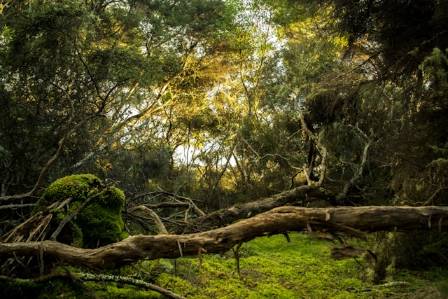
The remarkable biodiversity of the Centinela region first captured international scientific attention during the 1970s. Early field researchers determined that the isolated, high-altitude ridge, characterized by perpetual rainfall and dense mist, was an evolutionary hotspot housing nearly one hundred plant species found nowhere else on earth. Unfortunately, shortly after these unique ecosystems were first documented, industrial agriculture triggered a massive ecological crisis. More than seventy percent of the lowland rainforests across western Ecuador were systematically felled to establish expansive commercial plantations dedicated to cultivating bananas, cacao, and coffee.
Consequently, the name Centinela tragically became synonymous in botanical circles with rapid, unrecorded extinction. Many unique specimens collected during initial expeditions were believed to have vanished forever before scientists even had the opportunity to properly classify them. Modern scientific journeys, however, are shifting this bleak narrative by actively proving that numerous localized species have successfully adapted to life inside the microscopic forest fragments that still dot the agricultural landscape.
The High Stakes Lifestyle and Future Vulnerability of a Rock Dwelling Wonder
What makes the survival of Amalophyllon miraculum particularly astonishing to botanists is its incredibly fragile and specialized way of life. The miniature plant functions as a strict obligate lithophyte, meaning it is biologically incapable of growing in standard soil and must anchor itself exclusively onto rocky surfaces. Furthermore, it depends entirely on constant, high-humidity environments, relying on the continuous, fine mist generated by nearby waterfalls to stay hydrated. Because even a slight shift in local microclimate conditions could cause the species to vanish, its ongoing existence depends on a highly delicate environmental equilibrium.
While this newly identified plant appears stable in its current micro-habitat, conservationists warn that the long-term future of the region's flora remains precarious. Extensive logging has fragmented the landscape so severely that some scientists worry the observed survival might simply represent a delayed extinction process rather than a permanent victory. To address these urgent concerns, international research teams are currently conducting intensive field surveys and examining historical herbarium records to determine exactly how many unique local plants can truly survive over the coming decades.
बोर्ड से और
साइड · en

Things to Do at Moraine Lake, Canada
Tucked away in the heart of Banff National Park in Alberta, Canada, Moraine Lake is one of the most stunning alpine lakes in the world. With its brilliant turquoise waters, the famous “Valley of the Ten Peaks” as a backdrop and the ever‑changing light of the Canadian Rockies, the lake offers a truly unforgettable experience.
साइड · en

Fundamentals of Oil Painting: A Step-by-Step Simple Still Life
If you have ever been intrigued by oil paints but felt intimidated by the technicalities of mixing mediums like linseed oil and turpentine, this introductory still life study is designed for you. This lesson utilizes a single, straightforward medium mixture throughout the process and highlights the similarities between oils and the acrylic techniques used in previous tutorials.
साइड · en
Understanding Toucans: Iconic Birds of the Tropical Canopy
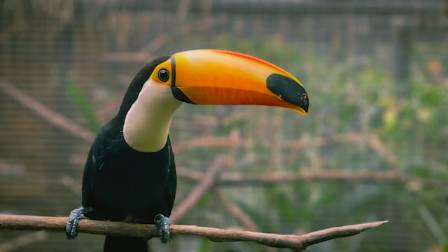
Toucans are among the most famous and easily identified creatures on earth, frequently appearing as cereal mascots or stars of children's nature programming.
साइड · en
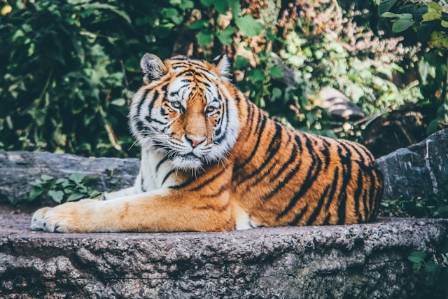
A guide to Tigers
Tigers are the biggest species among the world’s large cats and are famous for their striking appearance. These carnivorous mammals belong to the Panthera genus and are among the largest land animals that survive mainly by eating meat.
साइड · en
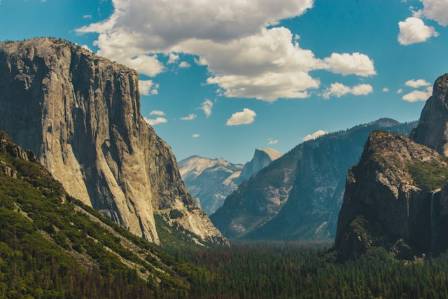
Yosemite National Park: World Heritage Site
Located along the western side of California’s central Sierra Nevada, Yosemite National Park protects a landscape renowned for extraordinary scenery and extensive wilderness. The park encompasses nearly every major type of environment found in the Sierra Nevada, including giant sequoia forests, granite domes, deep valleys, polished rock surfaces, and other geological formations that reveal how the mountain range developed. Yosemite also preserves a wealth of cultural and historical resources.
साइड · hi

सूरजमुखी के बारे में 16 बेहद रोचक तथ्य
अपने मन में एक आम सूरजमुखी की तस्वीर बनाएँ - आपको क्या दिखाई देता है?