मेनू नोट
How to Make a Latte Without an Espresso Machine
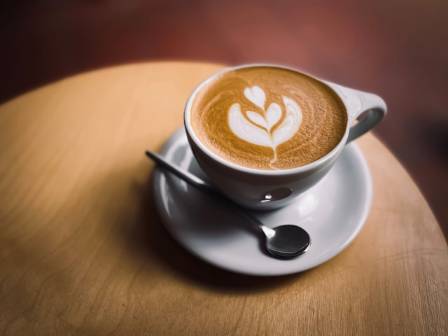
Making a café-style latte at home is easier than you might think, even if you don’t own an expensive espresso machine. Whether you’re short on kitchen space, traveling, or simply looking for a budget-friendly option, there are still plenty of ways to enjoy a rich and creamy homemade latte. Coffee experts shared their favorite techniques for creating delicious latte-style drinks using simple tools and a few barista tricks.
Jasper Vale
किचन नोट
सर्विंग नोट
पूरा लेख नीचे मेनू बोर्ड पर जारी है।
कोर्स
हॉटपॉट स्टीम किचन
Making a café-style latte at home is easier than you might think, even if you don’t own an expensive espresso machine. Whether you’re short on kitchen space, traveling, or simply looking for a budget-friendly option, there are still plenty of ways to enjoy a rich and creamy homemade latte. Coffee experts shared their favorite techniques for creating delicious latte-style drinks using simple tools and a few barista tricks.
A traditional latte is usually prepared with about 2 ounces of espresso mixed with 8 to 10 ounces of steamed milk and topped with a thin layer of foam. Espresso is stronger and more concentrated than regular coffee because it is brewed under pressure, creating the signature creamy layer known as crema. While lattes and cappuccinos are similar, cappuccinos generally contain more foam, while lattes are smoother and milkier.
If you don’t have an espresso machine, coffee professionals recommend alternatives like an AeroPress, moka pot, or French press to make concentrated coffee. Pair these brewing methods with frothed milk from a handheld frother or French press for a café-style result.
The AeroPress is a portable brewing device that creates strong coffee similar to espresso. Although it doesn’t produce authentic crema, it still makes a flavorful base for homemade lattes. One popular method uses finely ground coffee with hot water to create a concentrated brew. After steeping and pressing, the coffee is combined with hot frothed milk for a creamy drink.
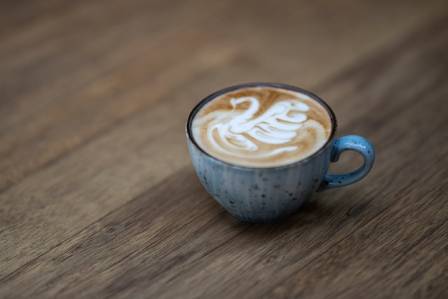
A moka pot is another excellent option for latte lovers. This stovetop brewer creates bold, rich coffee that pairs beautifully with milk. To use it, add hot water to the lower chamber, fill the filter basket with medium-fine coffee grounds, and heat it on the stove until the coffee begins to flow. Removing the moka pot from heat before the brewing finishes helps maintain a smooth and concentrated flavor.
A French press can also be used to create stronger coffee by reducing the water ratio while keeping the coffee amount the same. This brewing style brings out deeper flavors that work well in milk-based drinks.
Steamed and frothy milk is essential for a good latte. Without a steam wand, you can still heat milk on the stovetop or in the microwave until it reaches about 140–160°F. Overheating the milk may cause it to taste burnt or sour. Once warmed, use a handheld milk frother to create a light layer of foam. Although it may not produce silky microfoam like professional machines, it still creates a delicious and creamy texture.
Some coffee lovers also use a French press to froth milk by pumping the plunger quickly up and down until bubbles form. Others prefer stovetop steamers, which mimic the steam wand effect at a lower cost.
Plant-based milks can also work for homemade lattes, though some varieties foam better than others. Almond milk, for example, may create less stable foam compared to oat or soy milk. Ultimately, the best latte is the one made with ingredients and flavors you personally enjoy.
With a little practice and the right techniques, you can easily create flavorful lattes at home without professional equipment. Simple brewing tools, warm frothy milk, and quality coffee beans are all you need to enjoy a cozy coffeehouse experience from your own kitchen.
बोर्ड से और
साइड · hi
प्रसिद्ध पास्ता के आकार और उनकी कहानियाँ
यह एक चौड़ी पास्ता ट्यूब होती है, जिसे भरावन से भरा जाता है और फिर बेक किया जाता है। यह पहली बार बीसवीं सदी की शुरुआत में दिखाई दिए, हालांकि ये शायद क्रेप्स और स्टफ्ड माचेरोनी से विकसित हुए थे, जो काफी पुराने हैं। ये 1940 के दशक में द्वितीय विश्व युद्ध के बाद बेहद लोकप्रिय हो गए, क्योंकि इन्हें पहले से तैयार करना आसान था।
साइड · en
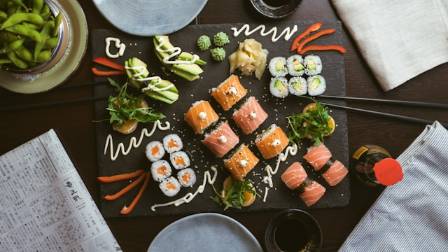
A Complete History Of Sushi: From Narezushi To Global Phenomenon
Sushi stands as one of humanity’s most extraordinary culinary evolutions, transforming from a pragmatic preservation method into a globally beloved cuisine that transcends cultural divides. This iconic dish, defined by its harmonious blend of vinegared rice and diverse ingredients—most famously raw seafood—traces its roots to Southeast Asia’s rice paddies, evolving through centuries of adaptation, refinement, and innovation to become both a symbol of Japanese culture and a staple of international dining. Its journey reflects broader narratives of technological progress, cultural exchange, economic development, and shifting social dynamics, proving that even the simplest of foods can carry profound historical weight.
साइड · en

The Forbidden City: A Reimagined Overview
The Forbidden City, also known as Zijincheng (in Pinyin) or Tzu-chin ch’eng (in Wade-Giles), is the grand imperial palace complex situated in the center of Beijing, China. Built on the orders of the Yongle Emperor of the Ming dynasty beginning in 1406, it was first occupied by the royal court in 1420.
साइड · hi

क्लाउनफ़िश
यह एनीमोन की डालियों के बीच तेज़ी से दौड़ती है, और बड़ी मछलियों से आसानी से बच जाती है।
साइड · hi

एडेली पेंगुइन के बारे में 10 बातें
एडेली पेंगुइन बर्फीले किनारे पर पक्के कदमों से चलता है
साइड · hi

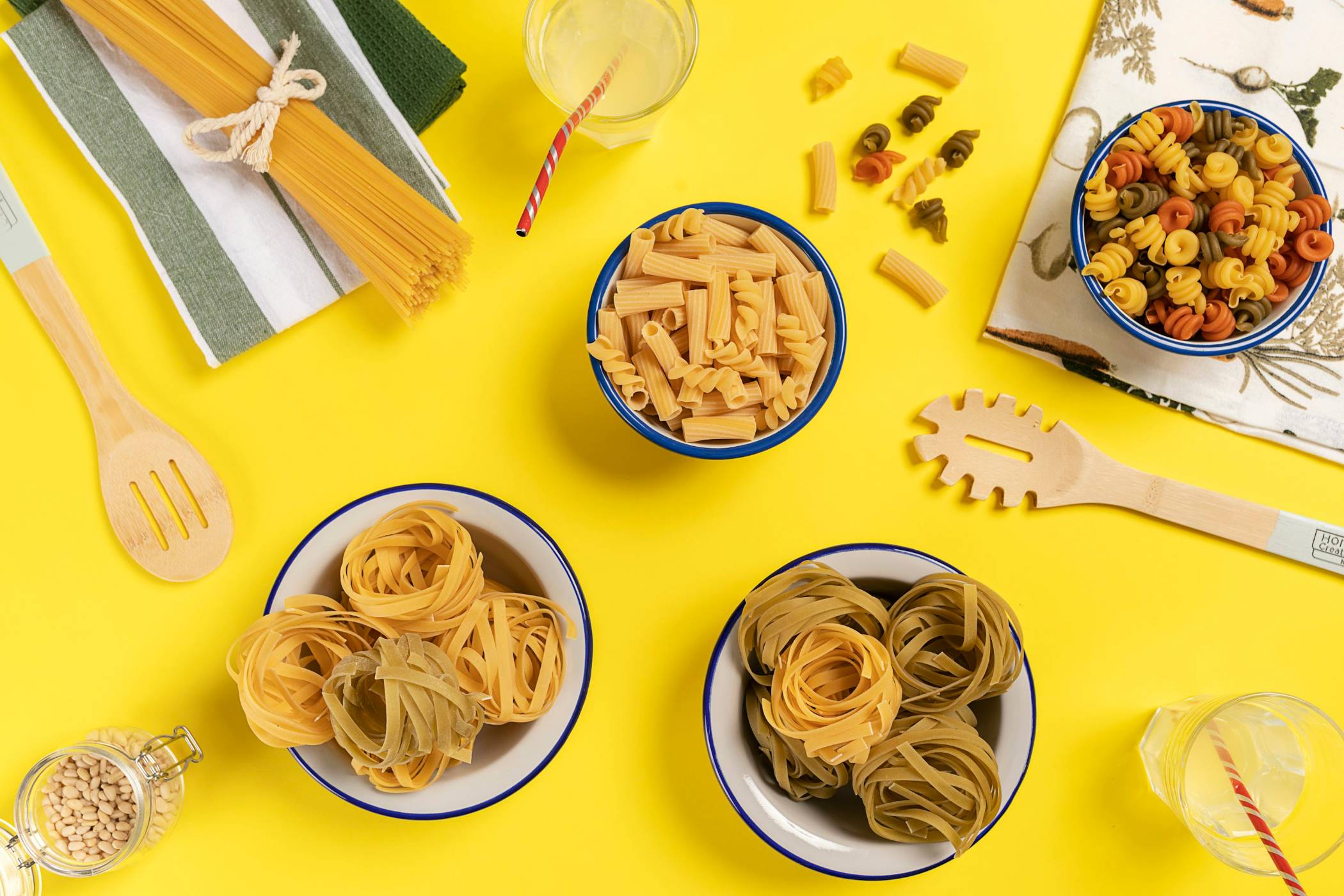
स्पाइरल नूडल्स की उलझी हुई दुनिया
स्पाइरल नूडल्स, जिन्हें कभी-कभी कॉर्कस्क्रू या हेलिक्स पास्ता भी कहा जाता है, अपनी विशिष्ट घुमावदार आकृति और अद्भुत बहुमुखी प्रतिभा के कारण दुनिया भर में पसंद किया जाने वाला पास्ता है। ये नूडल्स इतालवी पारंपरिक व्यंजनों से लेकर एशियाई पसंदीदा व्यंजनों तक, कई पाक परंपराओं में एक आम सामग्री बन गए हैं और बच्चों व वयस्कों दोनों को समान रूप से पसंद आते हैं। इस लेख में हम स्पाइरल नूडल्स की उत्पत्ति, किस्मों, पोषण संबंधी लाभों और पकाने की तकनीकों के बारे में जानेंगे।