मेनू नोट
Botanical Illustration Guide: Sketching a Detailed Maple Leaf
The maple leaf is a fascinating subject for artists due to its complex geometry and vibrant seasonal changes. Native to much of the Northern Hemisphere, there are approximately 200 species of maple across North America, Europe, and China. Beyond their beauty, these trees are known for their "helicopter" seeds and the sweet sap used to produce syrup. This guide provides a structured, beginner-friendly approach to capturing the iconic "double dentate" shape of the maple leaf, which serves as a powerful symbol of nature and national identity.
Joshua Samuel Kingsley
किचन नोट
सर्विंग नोट
पूरा लेख नीचे मेनू बोर्ड पर जारी है।
कोर्स
हॉटपॉट स्टीम किचन
The maple leaf is a fascinating subject for artists due to its complex geometry and vibrant seasonal changes. Native to much of the Northern Hemisphere, there are approximately 200 species of maple across North America, Europe, and China. Beyond their beauty, these trees are known for their "helicopter" seeds and the sweet sap used to produce syrup. This guide provides a structured, beginner-friendly approach to capturing the iconic "double dentate" shape of the maple leaf, which serves as a powerful symbol of nature and national identity.
Defining the Leaf Blade and Lobes
The first phase of the illustration involves establishing the leaf’s jagged perimeter. The maple leaf is distinct for being "lobed," meaning it possesses deep indentations that divide the leaf blade. Begin by sketching the margin or edge using curved lines that meet at sharp points. Work systematically to ensure that one side of the leaf mirrors the other, creating a balanced silhouette.
As you move toward the top, or apex, of the leaf, continue using connected curves to form the multiple points of each lobe. You will notice that the edges are not just pointed but "serrated," a feature known as being double dentate. Once these overlapping curves are complete, the basic outline of the leaf blade is established, providing a foundation for the internal anatomical details.
Illustrating the Vascular System and Stem
Once the outline is finished, you can begin adding the internal structure. The veins of a maple leaf follow a starburst pattern, originating from a single point at the base and extending toward the tip of each lobe. The primary central vein is known as the midrib. After drawing these main lines, add smaller, "V" shaped secondary veins branching off from them to provide a realistic texture.
The final structural element is the petiole, or the stem that attaches the leaf to the tree branch. From the point where the internal veins converge at the bottom, extend a pair of parallel curved lines. Close the end of the stem with a short curve and add a small internal line to give the tip a three-dimensional, rounded appearance.
Coloring for the Seasons
The final step in bringing your maple leaf to life is choosing a color palette that reflects its stage in the life cycle. During the spring and summer months, most maple leaves are a vivid green. However, as autumn approaches, they transform into spectacular shades of yellow, burning orange, deep red, or earthy brown.
Some species offer unique variations; for instance, Japanese maples maintain a deep red hue throughout the entire year, while the red maple often features a reddish stem even when its blade remains green. By varying the intensity of your colors and layering shades, you can capture the specific atmosphere of the season you wish to portray.
बोर्ड से और
साइड · hi

मिनिमलिस्ट रसोई कैसे बनाएँ
इंस्टाग्राम पर मिनिमलिज़्म बिना किसी प्रयास के बेहद स्टाइलिश दिखता है—साफ़-सुथरी अलमारियों और आकर्षक उपकरणों के साथ—लेकिन इसे वास्तव में अपनाना चुनौतीपूर्ण लग सकता है। यह खास तौर पर रसोई में सच है, जहाँ रोज़मर्रा की गतिविधियाँ, खाना पकाने के औज़ार और गैजेट लगातार बढ़ते हुए लगते हैं।
साइड · hi

स्पेस एक्सप्लोरेशन का एक छोटा सा इतिहास
कोई ग्रैविटी नहीं, कोई चिंता नहीं। बस आप और कॉसमॉस की बेहिसाब खूबसूरती।
साइड · en

How to Make a Latte Without an Espresso Machine
Making a café-style latte at home is easier than you might think, even if you don’t own an expensive espresso machine. Whether you’re short on kitchen space, traveling, or simply looking for a budget-friendly option, there are still plenty of ways to enjoy a rich and creamy homemade latte. Coffee experts shared their favorite techniques for creating delicious latte-style drinks using simple tools and a few barista tricks.
साइड · en
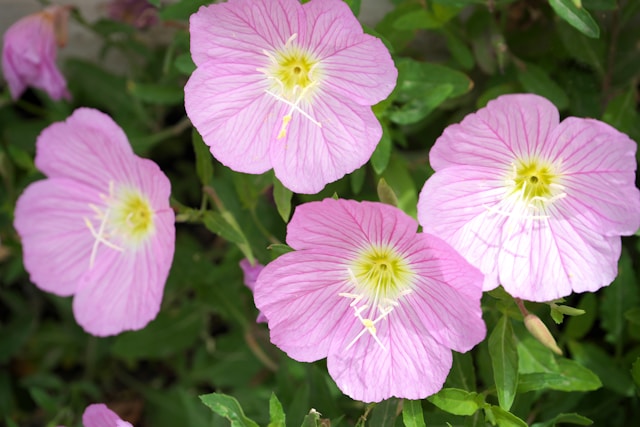
How to Grow and Care for Evening Primrose
Evening primrose (Oenothera biennis) is a visually striking plant recognized for its soft yet vibrant yellow blossoms. Although many gardeners grow it for its decorative charm, others consider it somewhat invasive because of how quickly it spreads. Native to North America, this plant establishes easily when sown in late autumn, develops quickly, and begins flowering each summer from its second year onward. Its lightly scented, four-petal flowers rise on branching, leafy stems, adding a gentle wildflower beauty to garden spaces.
साइड · hi

शांत स्थान कैसे शहरों में लोगों को शांत और आराम महसूस करा सकते हैं
जब आप किसी शांत जगह के बारे में सोचते हैं, तो आप क्या कल्पना करते हैं? चाहे वह एक विस्तृत खुला मैदान हो, एक सुनसान समुद्र तट, या गर्मियों की दोपहर में आलसी ढंग से बहती हुई नदी, शोध से पता चलता है कि शांति मुख्य रूप से प्राकृतिक बाहरी वातावरण में पाई जाती है। ये वे स्थान होते हैं जहां मानव निर्मित शोर का स्तर कम होता है, लेकिन जहां प्राकृतिक ध्वनियाँ—जैसे पक्षियों का गाना—अपेक्षाकृत अधिक हो सकती हैं। ऐसे अध्ययनों ने इन प्रकार के वातावरण और विश्राम, तनाव में कमी, और यहां तक कि दीर्घायु और दर्द से राहत के स्तर के बीच एक संबंध भी दिखाया है।
साइड · en

The Evolution of Robotic Animals: From Ancient Automata to Modern Companions
While modern discussions about robotics often center on humanoid figures or advanced artificial intelligence, the human obsession with self-operating machines has existed for millennia. For centuries, inventors have focused on replicating the animal kingdom through mechanical engineering. Long before the term "robot" was coined in a 20th-century play—derived from a Slavonic word meaning "forced labor"—these creations were known as automata, a Greek term referring to objects that act of their own volition.