मेनू नोट
Easy Korean Bibimbap Recipe
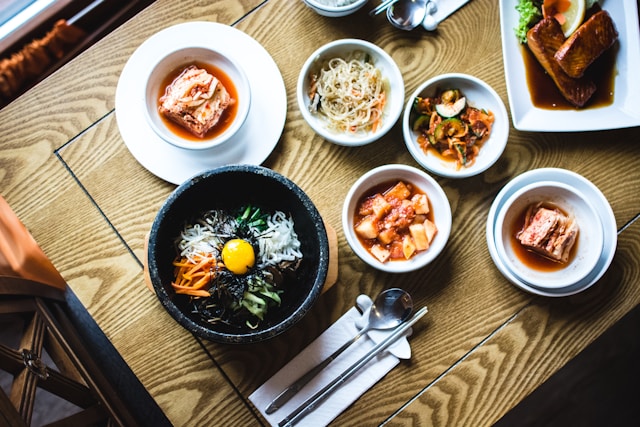
The first time I prepared Korean Bibimbap in my own kitchen, I was surprised by how a simple bowl of rice, vegetables, and protein could create such a vibrant and satisfying meal. I had always admired bibimbap whenever I ordered it at Korean restaurants, but once I realized how straightforward it was to make, it quickly became one of my favorite dishes for both weeknight dinners and special occasions.
Jasper Wren
किचन नोट
सर्विंग नोट
पूरा लेख नीचे मेनू बोर्ड पर जारी है।
कोर्स
हॉटपॉट स्टीम किचन
The first time I prepared Korean Bibimbap in my own kitchen, I was surprised by how a simple bowl of rice, vegetables, and protein could create such a vibrant and satisfying meal. I had always admired bibimbap whenever I ordered it at Korean restaurants, but once I realized how straightforward it was to make, it quickly became one of my favorite dishes for both weeknight dinners and special occasions.
One of the things I enjoy most about bibimbap is its perfect balance. Steamed rice is topped with seasoned vegetables, your choice of protein, a fried egg, and a delicious sauce that brings everything together. Every spoonful offers a mix of textures and flavors, creating a meal that feels comforting, fresh, and nourishing all at once. It’s also highly adaptable, making it easy to use ingredients you already have at home.
Over time, bibimbap has become one of my most trusted recipes whenever I want something nutritious, filling, and packed with flavor. It looks beautiful when served, makes excellent use of leftover vegetables, and is a meal that everyone at the table can enjoy.
If you're looking for an authentic yet simple Korean Bibimbap recipe, this version delivers everything you love about the classic dish—fresh ingredients, bright colors, and bold flavors in every bite.
Ingredients
Rice Base
3 cups cooked short-grain white rice, preferably chilled overnight
2 tablespoons sesame oil
Pinch of salt
Protein Options
1 pound thinly sliced beef (sirloin or ribeye)
1 pound thinly sliced chicken breast
1 block (14 ounces) firm tofu
4 to 8 eggs
Beef Marinade
3 tablespoons soy sauce
1 tablespoon brown sugar
2 garlic cloves, minced
1 tablespoon sesame oil
1 teaspoon freshly grated ginger
Black pepper to taste
Vegetables
2 cups spinach
1 large carrot, cut into thin strips
1 zucchini, cut into matchsticks
8 ounces mushrooms, sliced
1 cup bean sprouts
4 garlic cloves, minced and divided
Salt as needed
Sesame oil for cooking
Garnishes
Toasted sesame seeds
Sliced green onions
Kimchi (optional)
Extra bibimbap sauce
Nori strips (optional)

Instructions
Step 1: Prepare the Bibimbap Sauce
Begin by making the sauce that gives bibimbap its signature flavor. Combine gochujang, sesame oil, rice vinegar, honey, garlic, water, and sesame seeds in a small bowl. Stir until smooth and creamy.
Taste and adjust according to your preference. Add extra honey for sweetness or more gochujang if you prefer additional heat. Set aside until needed.
Helpful Tip: Prepare extra sauce and store it in the refrigerator for up to two weeks. It works wonderfully on rice bowls, vegetables, and grilled meats.
Step 2: Marinate the Protein
If using beef, mix the marinade ingredients together and coat the sliced meat thoroughly. Allow it to marinate for at least 10 minutes while preparing the vegetables.
For tofu, remove excess moisture by pressing it, then cut into cubes or slices.
Step 3: Prepare the Vegetables
The vegetables provide the color and freshness that make bibimbap so appealing.
Spinach
Blanch the spinach in boiling water for about one minute. Transfer it to cold water immediately, then squeeze out excess moisture. Mix with minced garlic, salt, and a little sesame oil.
Carrots
Cook the carrots in a lightly oiled skillet for 2 to 3 minutes until slightly tender. Season lightly with salt.
Zucchini
Sauté the zucchini separately for a few minutes until tender but still vibrant. Season with salt.
Mushrooms
Cook mushrooms with sesame oil and garlic until soft and lightly browned. Add a small splash of soy sauce if desired.
Bean Sprouts
Blanch briefly, drain well, and season with sesame oil and salt.
Kitchen Tip: To save time, prepare multiple vegetables at the same time using separate pans.
Step 4: Cook the Protein
Beef
Heat a skillet over high heat and cook the marinated beef in a single layer. Let it sear before turning. Cook until fully done.
Chicken
Season with salt and pepper, then cook until golden and thoroughly cooked.
Tofu
Pan-fry tofu in sesame oil until crisp and golden on all sides. For additional flavor, marinate it beforehand.
Step 5: Fry the Eggs
Cook eggs sunny-side up in a lightly oiled skillet. The whites should be set while the yolks remain soft and runny. The yolk adds extra richness once mixed into the bowl.
Step 6: Create Crispy Rice (Optional)
For added texture, heat sesame oil in a skillet or traditional stone bowl. Spread the cooked rice evenly and allow it to cook without stirring for 5 to 7 minutes until the bottom becomes crisp and golden.
This crunchy rice layer, known as nurungji, adds an authentic touch to bibimbap.
If you're short on time, simply use warm rice without crisping it.
Step 7: Assemble the Bowls
Divide the rice among four serving bowls.
Arrange the vegetables around the rice in separate sections to create a colorful presentation.
Place the cooked protein in the center.
Add a fried egg on top.
Spoon over the bibimbap sauce.
Finish with sesame seeds, green onions, kimchi, and nori if desired.
Step 8: Mix and Eat
Before eating, thoroughly mix all ingredients together. Break the egg yolk and combine it with the sauce, vegetables, rice, and protein so every bite contains a little of everything.
Helpful Tips
Use Chilled Rice
Rice that has been refrigerated overnight creates a better texture and crisps more easily than freshly cooked rice.
Prepare Ingredients in Advance
Vegetables and proteins can be cooked ahead of time and stored separately, making assembly quick and convenient.
Experiment with Vegetables
Traditional ingredients are great, but don't hesitate to use bell peppers, cucumbers, radishes, green beans, or other vegetables you enjoy.
Control the Spice Level
Adjust the amount of gochujang to suit your taste. Reduce it for a milder version or increase it for extra heat.
Use a Stone Bowl If Available
A heated stone bowl keeps the dish hot and continues crisping the rice while you eat.
Ingredient Alternatives
If gochujang is unavailable, combine sriracha, miso paste, and honey as a substitute.
If you don't have sesame oil, olive oil with toasted sesame seeds can provide a similar flavor.
Ground turkey, pork, or shredded chicken can replace beef.
Medium-grain or jasmine rice can be used if short-grain rice isn't available.
Popular Variations
Vegetarian Bibimbap
Replace meat with tofu, mushrooms, or tempeh for a hearty plant-based version.
Seafood Bibimbap
Use shrimp, salmon, or squid for a lighter but equally flavorful meal.
Breakfast Bibimbap
Incorporate breakfast favorites like bacon, sausage, potatoes, and scrambled eggs.
Low-Carb Bibimbap
Swap traditional rice for cauliflower rice to create a lighter alternative.
Spicy Pork Bibimbap
Marinate thin slices of pork with gochujang, soy sauce, honey, and garlic for a bold and spicy variation.
Storage Instructions
Storing Components Separately
Store rice, vegetables, protein, and sauce in individual airtight containers for up to four days.
Storing Leftovers
Mixed bibimbap can be refrigerated for up to three days. While the texture softens slightly, the flavors remain excellent.
Microwave Reheating
Cover with a damp paper towel and heat for 2 to 3 minutes. Add a freshly fried egg before serving.
Stovetop Reheating
Warm the ingredients in a skillet with a little sesame oil to restore some crispness and enhance flavor.
Freezing
Rice and protein freeze well for up to two months. Vegetables are best prepared fresh, as freezing can affect their texture.
Serving Suggestions
Bibimbap is best enjoyed immediately while warm. Start with a layer of rice, then arrange the vegetables and protein in neat sections. Top with a fried egg and serve the sauce on the side so everyone can adjust the flavor to their liking.
Just before eating, stir everything together thoroughly to coat the ingredients with sauce. For a complete Korean meal, serve alongside kimchi, pickled vegetables, or other traditional side dishes.
Whether prepared for a quick weeknight dinner or a special gathering, Korean Bibimbap delivers a colorful, balanced, and deeply satisfying meal that never fails to impress.

बोर्ड से और
साइड · en

6 Thrilling US Destinations for Your Next Off-Road 4x4 Adventure
When it comes to off-road adventures, the excitement is palpable, regardless of the season. However, as winter blankets much of the northern US in snow, some might find their adventurous spirit hibernating. But fear not! Planning your next 4x4 escapade should always be on your radar. So let’s ignite that wanderlust! Here’s a curated list of 6 exhilarating off-road destinations across the United States that are bound to deliver unforgettable experiences.
साइड · en

Moose: The Giant of the Deer Family
A moose can often be seen crossing a mountain lake, paddling toward the forested shore. As it leaves the water, droplets fall from its massive antlers, which can measure nearly six feet (1.8 meters) across. Once it reaches land, the animal disappears among the surrounding trees.
साइड · en

The Secret Forest Tree Pavilion: A Mirror to Nature's Soul
In the heart of Samseon Mountain, South Korea, an architectural marvel quietly redefines the relationship between built structures and natural landscapes. The Secret Forest Tree Pavilion, conceived by NEXT Architects for the Anyang Public Art Project, represents a groundbreaking approach to reflective pavilion architecture that transcends traditional observation points.
साइड · hi
मध्य थाई शैली का हरे पपीते का सलाद
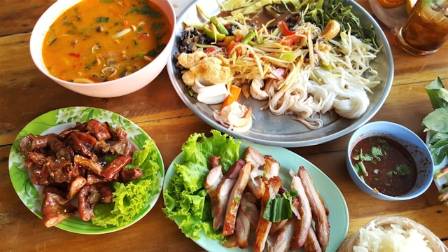
थाईलैंड की किसी भी व्यस्त सड़क पर चलिए, तो संभव है कि आपको मिट्टी की ओखलियों पर लकड़ी के मूसलों की लयबद्ध कुटाई की आवाज़ सुनाई दे—यहाँ सड़क किनारे विक्रेता सोम तम तैयार करते हैं, जो खट्टी-चटपटी और स्वादिष्ट ड्रेसिंग के साथ मिलाए जाने वाले कुटे हुए सलादों की एक किस्म है। इसका सबसे प्रसिद्ध प्रकार सोम तम थाई है, जो मध्य थाईलैंड का कद्दूकस किया हुआ हरा पपीते का सलाद है और “सोम तम” शब्द का लगभग पर्याय बन चुका है।
साइड · hi

पुराने खिलौनों को प्यारे त्योहारों के सजावटी सामान में बदलें
क्रिसमस ट्री की खुशियों में से एक है उसकी सजावट में संजोई गई यादों का संग्रह: स्कूल में बनाए गए हस्तनिर्मित आइसक्रीम-स्टिक के फ्रेम, बच्चों द्वारा तैयार की गई नाज़ुक टिशू-पेपर की मालाएँ, या द नटक्रैकर देखने के लिए की गई यात्रा के बाद घर लाया गया बैले जूती का आभूषण। प्यारे खिलौने भी उतनी ही पुरानी यादें ताज़ा कर सकते हैं—तो उन्हें डिब्बों में बंद करके रखने के बजाय, हर छुट्टियों के मौसम में अपने पेड़ पर क्यों न सजाएँ?
साइड · en

Jump Rope Your Way to Better Fitness
Cardio is an essential element of a well-rounded fitness plan, but it doesn’t have to involve spending every session on a treadmill or elliptical machine. Mixing different forms of exercise helps create a more balanced routine and keeps workouts interesting.