मेनू नोट
How to Style a Luxury Bag Without Making It the Whole Outfit
This article examines how a luxury bag functions as one element of an outfit rather than its centerpiece, using Loewe’s raffia and leather styles to show how proportion, context, and restraint determine whether a bag elevates or overwhelms.
Isabella Reed
किचन नोट
सर्विंग नोट
पूरा लेख नीचे मेनू बोर्ड पर जारी है।
कोर्स
हॉटपॉट स्टीम किचन
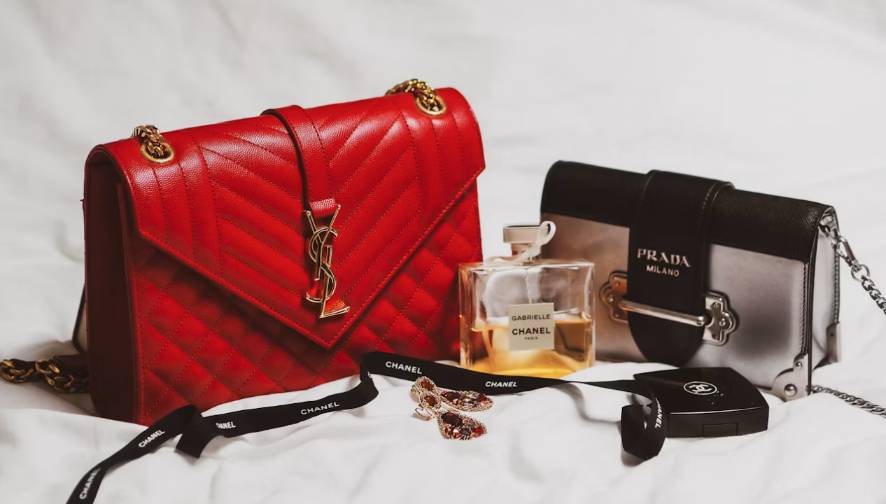
A luxury bag is the most visible purchase in most wardrobes, which makes it the easiest to get wrong. The mistake is not buying the wrong bag. The mistake is treating the bag as the outfit rather than as one element of it. A bag that announces itself before the wearer does is doing the wrong work. A bag that completes an outfit without competing with it is doing exactly what it should.
The first decision is context. A bag that works for the office should not look like it is trying to be a weekend bag, and a weekend bag should not look like it is apologizing for not being at the office. Who What Wear’s styling of Loewe’s raffia and leather bags demonstrates the principle clearly. A structured raffia Puzzle bag in black and tan was styled for a day of roaming in the park followed by lunch: a sculptural tunic in ivory silk, classic black trousers, tan leather mules. The bag fits the context because it is textural and relaxed without being sloppy, and because the outfit’s other elements are quiet enough to let the bag’s texture register without shouting.
The second decision is proportion. A bag that is too large for the wearer’s frame overwhelms the outfit; a bag that is too small looks like an afterthought. The raffia-and-leather Punch Hole hobo, with its somewhat oblong base and chic leather details, was worn with a buttery soft suede bomber, white capri pants, and gray mules. The bag’s size is substantial without being oversized, and its soft structure contrasts with the bomber’s texture. The proportion works because the bag occupies a clear zone of the body and the clothing does not compete for that zone.
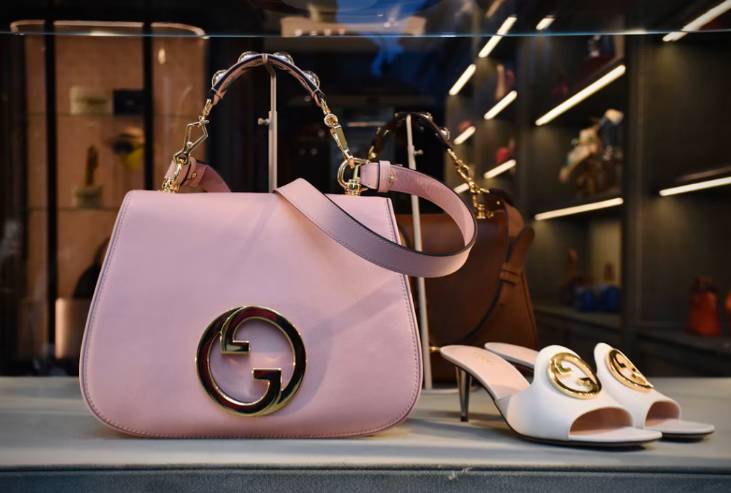
The third decision is restraint. A bag should not be the loudest thing in the outfit unless it is the only thing the wearer wants people to notice. A printed bag with a printed dress and printed shoes is not a styled outfit; it is a competition. A neutral bag with a textured outfit, or a textured bag with a neutral outfit, is the formula that works across contexts. The Loewe raffia bags function because they are textural rather than patterned: the weave provides visual interest without introducing a competing print.
The fourth decision is versatility. A bag that can only be worn one way is a bag that will be worn rarely. A bag with a top handle, a shoulder strap, and the option to carry it as a clutch does more work than a bag with a single carrying mode. The Puzzle bag’s ability to be carried from a clutch to a top-handle to a crossbody is not a gimmick; it is the reason the bag earns its place.
What to avoid is the bag that tries to do everything. A bag that is formal enough for evening, casual enough for the weekend, and large enough for work is usually none of those things well. Two bags that each do one thing well are more useful than one bag that does nothing particularly. The luxury bag earns its price not by being versatile in every direction but by being exactly right for the contexts it was designed for.
The principle beneath all of this is that a bag is a tool. It carries things. It completes an outfit. It does not define the wearer. The best bag is the one that looks like it was chosen because it was useful and beautiful, not because it was expensive.
बोर्ड से और
साइड · hi

अपनी उनींदी बिल्ली को समझना
बिल्लियाँ अपने दिन का एक महत्वपूर्ण हिस्सा सोने में बिताती हैं—औसतन, वे रोज़ाना लगभग 12 से 13 घंटे सोती हैं। बुज़ुर्ग बिल्लियाँ इससे भी अधिक सो सकती हैं, और यह आराम अक्सर दिन के उजाले के घंटों में होता है। हालाँकि ऐसा लग सकता है कि स्तनधारियों में बिल्लियाँ सबसे अधिक झपकी लेने वाली होती हैं, लेकिन कुछ जानवर, जैसे कोआला, चमगादड़ और ओपॉसम, वास्तव में इससे भी अधिक समय तक सोते हैं।
साइड · en

Why Does Swimming Make People Relax ?
Swimming is a source of immense joy for many. Whether you're embarking on an endurance swim, fine-tuning your technique, or engaging in interval training, the result is often the same: it makes you happy. This happiness is more than just a fleeting feeling; it's rooted in the intricate chemistry of your brain. Let's delve into the precise mechanisms that explain why swimming has this remarkable effect.
साइड · en
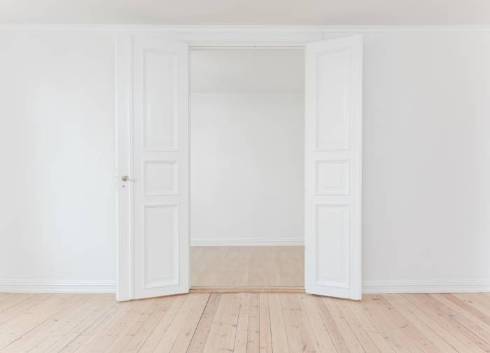
Exploring Minimalist Interior Design
In today's world, the concept of minimalism is widespread, advocating for the reduction of elements to their essential form. This principle extends beyond art and lifestyles, touching upon architecture and interior design as well. Minimalist interior design shares common ground with modern interior design, both embracing the use of fundamental elements to craft an uncluttered and straightforward living space. Characterized by its simplicity, clean lines, and a predominantly monochromatic palette with sparingly used accent colors, this style melds an open floor plan, abundant natural light, and functional furnishings, elevating the importance of form, color, and texture in a select few core elements.
साइड · hi
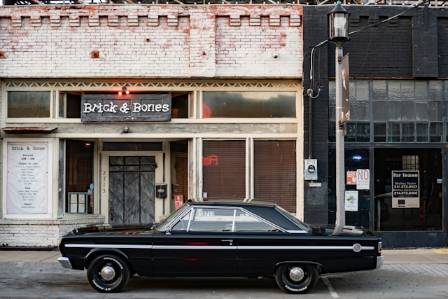
क्लासिक कार खरीदारों के लिए संपूर्ण गाइड
क्लासिक कार खरीदारों के लिए इस निर्णायक संसाधन में आपका स्वागत है! यह मार्गदर्शिका महीनों के शोध, संग्राहकों और डीलरों के साथ बातचीत, तथा कार प्रेमी के रूप में मेरे व्यक्तिगत अनुभवों का परिणाम है।
साइड · hi
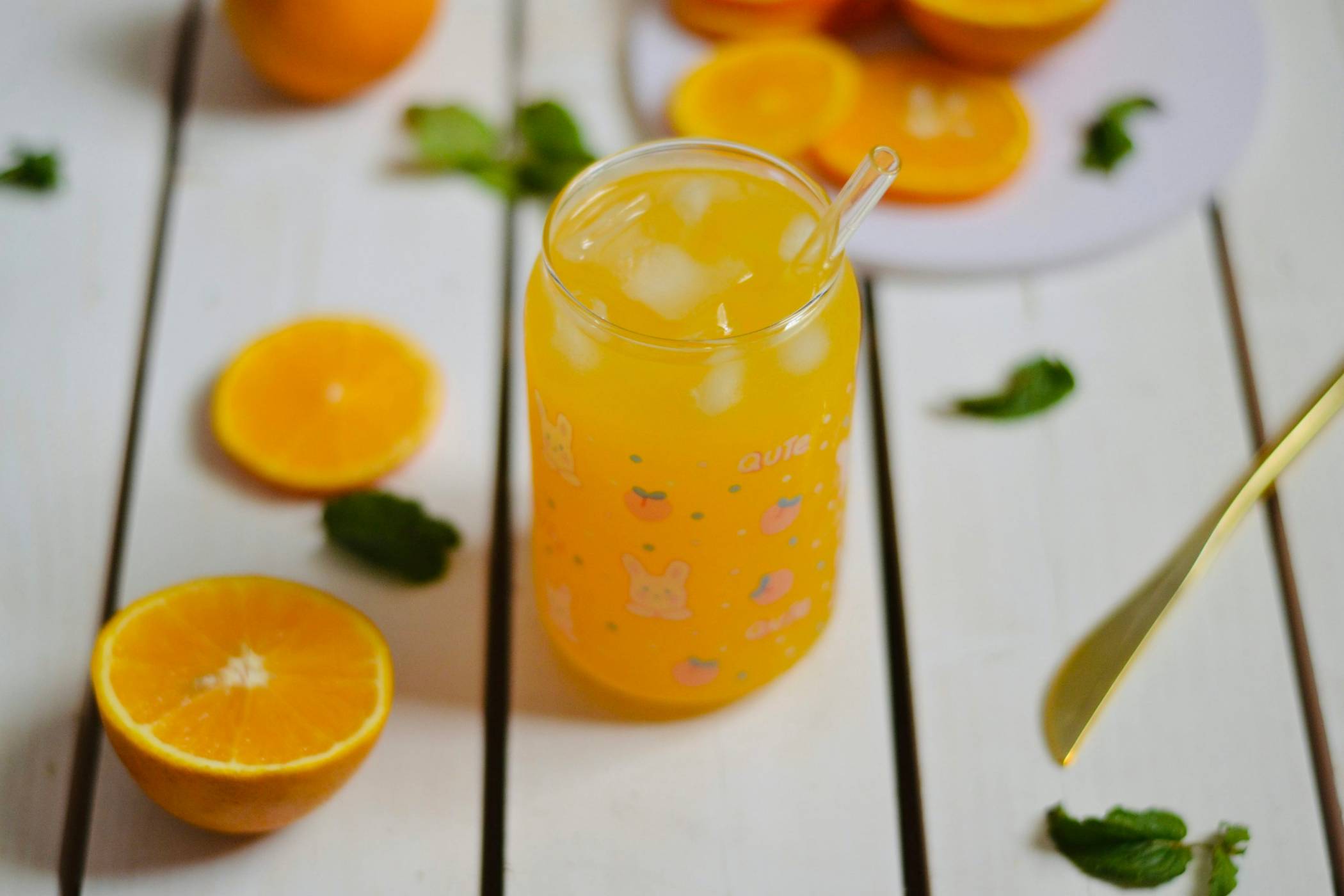
गर्मी के ठंडे घूंट: गर्मी से राहत पाने के लिए 6 बेहतरीन ताजगी देने वाले फल जूस किस्में
एक ताजगी देने वाली गर्मी के लिए, खट्टे सिट्रस जूस, उष्णकटिबंधीय स्वाद और एंटीऑक्सीडेंट से भरपूर बेरी ब्लिस के साथ आप गलत नहीं हो सकते। हाइड्रेटिंग मेलन मैजिक जूस को आजमाएं या अद्वितीय विदेशी फल के स्वादों का पता लगाएं। ताजे जड़ी बूटियों जैसे पुदीना या तुलसी से अपने घूंट को स्वाद और स्वास्थ्य लाभ बढ़ाने के लिए न भूलें। ये ताजगी देने वाले विकल्प आपको पूरे मौसम में ठंडा और ऊर्जा से भरा रखेंगे। गर्मी से बचने के लिए और भी स्वादिष्ट विचार जानने के लिए बने रहें!
साइड · hi

इस गर्मी आपको आइसक्रीम के ये फ्लेवर ज़रूर आज़माने चाहिए
पिछले सप्ताहांत, होल फ़ूड्स ने सभी आइसक्रीम पर 50% की छूट दी थी, और मैंने पूरी तरह हद पार कर दी (और इसकी बहुत अच्छी वजह थी)। जो पिंट आमतौर पर $8 से भी ज़्यादा के होते हैं, वे घटकर सिर्फ़ $4 रह गए थे, इसलिए ज़ाहिर है, मैंने बिना झिझक कुछ ले लिए।