मेनू नोट
All About the Siberian Husky: Details, Photos, Care Tips and More
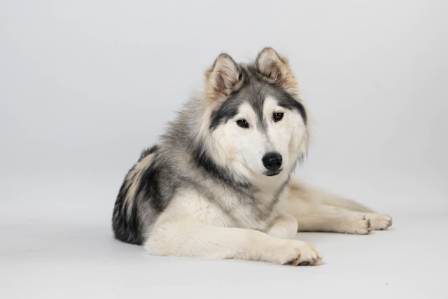
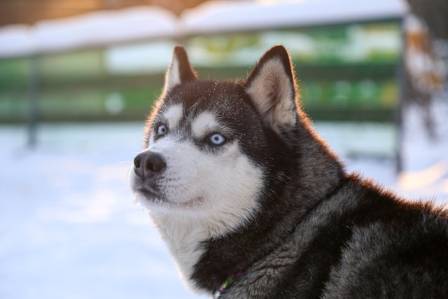
With their striking high-contrast coats, compact build, and often ice-blue eyes, it’s easy to see why the Siberian Husky is such a popular dog breed. These dogs have gained fame as real-life heroes and on-screen icons—think famous figures like Togo, Balto, and the dire wolves from Game of Thrones.
Lily Rogers
किचन नोट
सर्विंग नोट
पूरा लेख नीचे मेनू बोर्ड पर जारी है।
कोर्स
हॉटपॉट स्टीम किचन
With their striking high-contrast coats, compact build, and often ice-blue eyes, it’s easy to see why the Siberian Husky is such a popular dog breed. These dogs have gained fame as real-life heroes and on-screen icons—think famous figures like Togo, Balto, and the dire wolves from Game of Thrones.
Their wolf-like appearance and friendly nature make them appealing to many potential owners, but the Husky is a one-of-a-kind breed that needs an owner who understands how to meet its unique needs. Below is everything you need to know if you’re considering welcoming a Siberian Husky into your family.
Breed Overview
The Siberian Husky is a stunning example of a northern working dog breed. It has a compact, athletic body, a thick double coat, upright ears, and a fluffy, sickle-shaped tail. Originating in northeastern Asia, the breed was developed by the native Chukchi people. Initially, Huskies were bred as companion dogs, but they later became sled dogs when the semi-nomadic Chukchi had to expand their hunting territories.
Siberian Husky Puppies
Because Siberian Huskies lived in isolation in the northernmost parts of the world for generations, their bloodlines remained pure for a long time until they grew popular as sled dogs and later as family pets. As demand for Huskies increased, unethical backyard breeders started producing them for profit, sometimes crossing them with other breeds. Like many popular dog breeds, this surge in breeding led to some Huskies developing behavioral or health issues.
If you decide to get a Siberian Husky puppy from a breeder, do thorough research. It’s essential to work with a breeder who prioritizes breed standards for health and temperament over appearance or “designer” puppy trends. This ensures you bring home a healthy, happy pup.
Huskies, especially puppies, can be a handful. They’re independent, somewhat stubborn, and full of energy. To prevent boredom and destructive behaviors, they need plenty of exercise and mental stimulation. Because of these high needs, Huskies are often found in animal shelters, rescue groups, or up for private rehoming.
Temperament & Intelligence of the Siberian Husky
Even though Siberian Huskies were purpose-bred for the harsh conditions of the Siberian Arctic, they’re surprisingly adaptable. They can live in different climates and both rural and urban areas—provided their needs are met. Huskies are also pack animals; they thrive on being part of a family (including living with other dogs) and should never be left alone for long periods. For some owners, the Husky’s high energy, impulsivity, and independence can be challenging if the dog doesn’t have proper outlets for these traits.
Are These Dogs Good for Families?
Unlike some distant, aloof northern dog breeds, Huskies were raised as part of the family by the Chukchi people—rather than being left to survive on their own. They get along well with all family members, including children, as long as their needs are fulfilled. That said, Huskies are athletic, strong, and energetic dogs, which means they could accidentally injure children. It’s always important to supervise interactions between Huskies and kids to keep both the dog and the child safe.
Does This Breed Get Along With Other Pets?
Siberian Huskies were developed to run as part of a sled dog pack, so they usually get along well with other dogs. However, Huskies have an extremely strong prey drive—rooted in their history of hunting in packs and preying on wild cats, birds, and small mammals. For this reason, it’s best to train Huskies carefully and monitor them around small dogs and cats. They should never be left unattended with these smaller pets, and they should never be allowed to interact with tiny animals like birds or hamsters.
Things to Know When Owning a Siberian Husky
Huskies can be wonderful pets for the right household, but they have unique needs that must be addressed.
Food & Diet Requirements
Siberian Huskies need a high-quality commercial dog food to keep up with their energy needs especially working Huskies—and to maintain healthy skin and a glossy coat. If you have an active sled dog, it will require more protein than a typical family pet Husky. However, it’s crucial not to overfeed your Husky, as obesity can lead to various health problems. If you have concerns about your dog’s weight or diet, consult your veterinarian.
If you need to speak to a vet but can’t visit one in person, consider PangoVet. It’s an online service that lets you chat with a vet remotely, giving you personalized advice for your pet at an affordable price.
Exercise
Siberian Huskies are extremely active and athletic—they need lots of exercise to stay engaged and happy. As a working breed, Huskies love having a job to do. Without enough exercise, they may develop problem behaviors like wandering away, chewing on furniture, or excessive barking. Huskies also excel at canine sports such as rally, obedience, and agility.
Training
Early socialization is key for Huskies—especially if you want to reduce their strong prey drive. These dogs can be impulsive, independent, and easily distracted, so firm, consistent training using positive reinforcement methods is essential. If you want to train your Husky to be a sled dog, keep in mind that this requires many hours of patience and dedication.
Grooming
Like cats, Huskies try to keep themselves clean. Unless they’re working sled dogs that get dirty often, they only need a few baths each year. Weekly brushing is necessary to remove loose undercoat and keep their skin and coat healthy. Siberian Huskies shed seasonally, and during these periods, they’ll need more intensive grooming to get rid of excess shed hair. Pet cologne is a good option to keep your Husky smelling fresh between regular baths. You should also trim their nails, clean their ears, and brush their teeth as needed.
Health and Conditions
Siberian Huskies are a relatively healthy breed—especially when they come from responsible breeders who screen parent dogs for health issues. Most common health problems in Huskies are genetic, such as seizures and eye conditions like glaucoma and progressive retinal atrophy. Working sled dogs may be more prone to gastric diseases, bronchitis, or bronchopulmonary issues (like “ski asthma”) caused by low-oxygen environments.
Minor Conditions
Bronchitis
Cataracts
Skin allergies
Serious Conditions
Seizures
Glaucoma
Corneal dystrophy
Progressive retinal atrophy
Congenital laryngeal paralysis
Male vs. Female
There are few major differences between male and female Siberian Huskies. Males may be slightly larger, while females tend to be more slender and graceful. Some owners claim female Huskies are more loyal and males are harder to train, but these traits are more tied to individual dogs than to their sex. Spaying or neutering Huskies is important—it helps reduce problem behaviors like wandering or aggression, as well as preventing reproductive health issues.
3 Little-Known Facts About the Siberian Husky
Siberian Huskies Have Been Hero Dogs
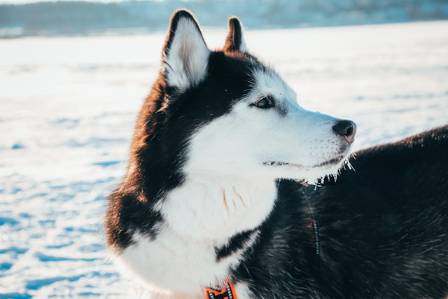
Siberian Huskies became famous worldwide after a life-threatening diphtheria epidemic hit Nome, Alaska—Husky sled dogs were the only way to deliver life-saving medication to the town. These dogs also served in the U.S. Army’s Arctic Search & Rescue Unit of the Air Transport Command during World War II and in Admiral Byrd’s Antarctic expeditions.
Most Modern Huskies in the US Came From a Serum Run Dog
One of the heroes of the Alaska Diphtheria Serum Run was Togo, the lead dog on Leonhard Seppala’s team. Seppala imported Husky stock to the U.S. in the 1930s, and few other foundational dogs are part of the modern Husky lineage. This limited genetic diversity makes the breed more vulnerable to certain genetic health conditions.
Siberian Huskies Are Houdinis
Few dog breeds have a reputation as “escape artists” like the Siberian Husky. Bred to be loyal yet independent, Huskies find creative, athletic ways to escape and explore such as digging under fences, chewing through them, or even climbing or jumping over them. Because of their impulsivity around prey, electric perimeter fencing is not effective at containing Huskies.
Final Thoughts
There’s so much to love about Siberian Huskies—from their strong work ethic and beautiful coats to their friendly, playful expressions. However, these dogs aren’t suitable for casual owners. They need regular exercise, mental stimulation, and consistent training to stay happy and healthy. If you’re willing to put in the time and effort to meet their needs, a Siberian Husky can be a loyal, loving companion that brings joy to your family for years.
बोर्ड से और
साइड · hi

एक सोच-समझकर सजाए गए स्थान के लिए बेहतरीन विंटेज स्टैंडिंग डेस्क
ज़्यादातर स्टैंडिंग डेस्क उपयोगिता पर केंद्रित होते हैं। वे ऊपर-नीचे होते हैं, आपके मॉनिटर संभालते हैं और अपना काम कर देते हैं—लेकिन शायद ही कभी फर्नीचर के ऐसे टुकड़े लगते हैं जिन्हें आप उनके डिज़ाइन के लिए चुनें।
साइड · hi

ऐक्रेलिक लैंडस्केप पेंटिंग ट्यूटोरियल्स
लैंडस्केप पेंटिंग ट्यूटर में आपका स्वागत है, जहाँ हम रोचक, चरण-दर-चरण, रियल-टाइम वीडियो पाठों के माध्यम से शानदार लैंडस्केप पेंटिंग बनाने में आपका मार्गदर्शन करते हैं। चाहे आप अपनी कलात्मक यात्रा की शुरुआत कर रहे हों या अपने कौशल को निखारना चाहते हों, हमारे ट्यूटोरियल आपको आत्मविश्वास के साथ चित्रकारी करने और सजीव परिणाम प्राप्त करने में सहायता देने के लिए तैयार किए गए हैं।
साइड · en
A Miraculous Botanical Survivor Rescues Hope from the Brink of Extinction in Ecuador
An extraordinary botanical discovery in the cloud forests of South America has sent waves of optimism through the global conservation community. A miniature floral organism measuring just five centimeters in height has emerged as a powerful symbol of ecological resilience. Named Amalophyllon miraculum, this newly recognized species managed to endure decades of severe habitat destruction along the famous Centinela Ridge, an elevated region in Ecuador historically devastated by intense agricultural expansion over the past century.
साइड · en

8 Best Plants to Transform Your Courtyard Garden into a Green Oasis
Courtyard gardens may be compact and surrounded by walls, but these sheltered spaces can become lush retreats with the right planting choices. Thanks to the microclimates they create, courtyard gardens are ideal for showcasing a variety of plants, including tropical species that might not thrive in more exposed areas. Selecting the right plants for your courtyard involves considering available sunlight, space limitations, and your desired garden aesthetic. From evergreen shrubs to pollinator-friendly flowers, here are eight excellent options to help you create a vibrant, easy-care outdoor haven.
साइड · hi

अब तक का सबसे अच्छा घर का बना नींबू पानी
जब ज़िंदगी आपको नींबू दे, तो उनसे ऐसा नींबू पानी बनाइए, जैसा आपने पहले कभी न चखा हो! यह क्लासिक रेसिपी सरल, स्वादिष्ट और बेहद ताज़गी देने वाली है। बस कुछ सामग्री और आसान चरणों की मदद से आप एक मीठा-खट्टा पेय तैयार कर सकते हैं, जो किसी भी अवसर के लिए बिल्कुल सही है। साथ ही, हम इसे अधिकतम ताज़गी बनाए रखने के लिए परोसने और स्टोर करने के तरीके भी बताएँगे।
साइड · hi

ट्रांग आन लैंडस्केप कॉम्प्लेक्स
धुंधली सुबहें कार्स्ट संरचनाओं को और निखार देती हैं, नदी के हर मोड़ पर जादू भर देती हैं।