मेनू नोट
8 Things You Should Know About Needle Felting
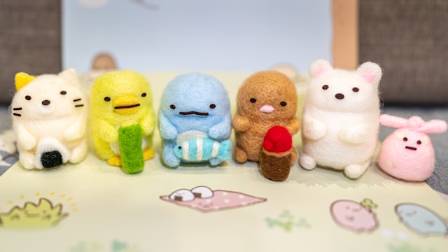
Needle felting is an incredible craft that suits people from all walks of life—and it’s easy to see why. There’s nothing quite like settling in for a relaxing afternoon of creating something with your own hands. Whether you’re just dipping your toes into the world of needle felting or you’ve already finished a few projects, you’re sure to discover something new in this list!
Natalie
किचन नोट
सर्विंग नोट
पूरा लेख नीचे मेनू बोर्ड पर जारी है।
कोर्स
हॉटपॉट स्टीम किचन
1. Felt is surprisingly versatile!
2. There are two basic types of felting: wet and dry
3. Wet felting came first
4. Dry needle felting is a modern invention
5. Sheep farmers have their own special lingo

6. There’s a whole world of wool and sheep varieties
7. The right needle makes all the difference
8. Safety first—always!

बोर्ड से और
साइड · hi

चित्र पुस्तकों की 8 चित्रण शैलियाँ
बच्चों की चित्र पुस्तकों में चित्रण शैलियाँ बेहद विविध होती हैं, जो रचनात्मक प्रेरणा का भरपूर स्रोत प्रस्तुत करती हैं। नीचे, मैंने प्रसिद्ध चित्र पुस्तक कलाकारों के उदाहरणों के साथ कई उल्लेखनीय शैलियों पर प्रकाश डाला है। प्रत्येक शैली विशिष्ट और तुरंत पहचान में आने वाली है।
साइड · hi

सबसे बेहतरीन ऑफ-रोड पिकअप ट्रक कौन से हैं?
ऑफ-रोड पिकअप ट्रक अब भी उन लोगों के लिए आदर्श विकल्प हैं, जिन्हें ऐसा वाहन चाहिए जो रोज़मर्रा के कामों को संभालने के साथ-साथ कठिन इलाकों में भी आसानी से चल सके।
साइड · en

4 Surprising Facts That Might Change How You See Seagulls
Often spotted swooping over beaches or loitering near picnic tables, seagulls have earned a cheeky reputation—especially for their bold food-snatching antics. But beneath that noisy exterior is a bird of remarkable adaptability and intelligence. Here are four unexpected facts about seagulls that may just earn them a bit more respect.
साइड · en

How to Buy a Supercar: From Budget to Ownership
Buying a supercar is not the same as purchasing a standard vehicle. It requires careful planning, financial awareness, and a clear understanding of long-term responsibilities. These machines are more than just fast cars—they are highly engineered works of art built with advanced materials such as carbon fiber, extreme powertrains, and precision aerodynamics. Often produced in limited numbers, they represent the highest level of automotive engineering available for road use. Importantly, the purchase price is only the starting point of the true cost of ownership.
साइड · hi

क्लासिक कार बहाली के लिए एक शुरुआती गाइड
आपकी पहली क्लासिक कार की मरम्मत का काम चुनौतीपूर्ण हो सकता है। निराशा और दिल के दर्द से बचने के लिए यहां हमारी कुछ युक्तियां दी गई हैं।
साइड · hi

स्फिंक्स
गिज़ा, मिस्र में स्थित, गिज़ा के महान पिरामिड के पास एक विशाल 4,500 साल पुरानी चूना पत्थर की मूर्ति है। इसकी लंबाई 240 फीट (73 मीटर) और ऊंचाई 66 फीट (20 मीटर) है, और यह दुनिया के सबसे बड़े स्मारकों में से एक है। यह प्राचीन मिस्र के सबसे पहचानने योग्य अवशेषों में से एक है, हालांकि विशाल संरचना की उत्पत्ति और इतिहास अभी भी बहस का विषय है।