मेनू नोट
Mastering the Art of Latte Art: Professional Techniques for Home Baristas
Perfecting latte art is a journey that many coffee enthusiasts embark on, often finding it to be one of the most engaging aspects of home brewing. Over years of teaching students at workshops and festivals, we have gathered a wealth of practical observations. By focusing on these refined techniques and subtle adjustments, you can significantly improve the quality of your milk pouring and the aesthetics of your morning coffee.
Violet Genevieve Caldwell
किचन नोट
सर्विंग नोट
पूरा लेख नीचे मेनू बोर्ड पर जारी है।
कोर्स
हॉटपॉट स्टीम किचन
Perfecting latte art is a journey that many coffee enthusiasts embark on, often finding it to be one of the most engaging aspects of home brewing. Over years of teaching students at workshops and festivals, we have gathered a wealth of practical observations. By focusing on these refined techniques and subtle adjustments, you can significantly improve the quality of your milk pouring and the aesthetics of your morning coffee.
Foundational Preparation and Milk Texturing
The success of your design starts long before the pitcher touches the cup. Efficiency is key; prepare your cold milk in the pitcher beforehand so you can focus entirely on the variables of the pour once the espresso is ready. The gold standard for latte art is milk that resembles "wet paint"—a smooth, glossy microfoam with consistent texture from top to bottom. If the milk is too airy, it becomes stiff and difficult to manipulate; if it lacks aeration, it will simply sink. Achieving this "wet paint" look ensures the milk has enough fluidity to move but enough structure to hold a pattern.
A clean "canvas" is equally vital. Before you begin, swirl your espresso to integrate the crema and eliminate any stray bubbles, creating a uniform surface. Similarly, ensure your milk is well-mixed in the pitcher. If you allow the foam to separate from the liquid milk, you will pour thin liquid first and end up with a clump of foam at the end, which is impossible to style.
Technical Mechanics of the Pour
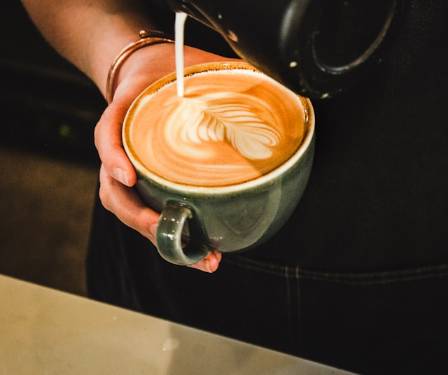
When you are ready to pour, orientation and volume are your best allies. Hold your pitcher at a right angle to the cup handle; this alignment provides a better range of motion and ensures the final design is aesthetically centered. Furthermore, using the correct amount of milk for your specific cup size prevents overflow or a "short" design. A helpful guideline is to fill the pitcher to approximately one finger-width below the start of the spout. For those who enjoy precision, aiming for a milk volume that is roughly the total cup capacity minus twice the espresso volume can provide a consistent visual baseline.
The physics of the pour can be summarized as "high and slow, then low and fast." Start the pour about four inches above the cup with a thin, steady stream aimed at the center. This height allows the milk to dive under the crema, filling the base of the drink without marring the surface. Once the cup is nearly full, bring the spout as close to the liquid as possible—almost like skipping a stone across water—and increase the flow. This proximity and speed are what allow the white foam to "fan out" and stay on top of the espresso to create your pattern.
Refining Motion and Finishing Touches
If you are attempting designs like rosettas or tulips that require a "wiggle," focus on a rhythmic, gentle rocking motion rather than a frantic shake. Think of it as making small, controlled scribbles with your hand; as you develop muscle memory, the milk will begin to sway in a consistent, swaying cadence. Speed and flow should be intentional, as every micro-movement translates directly into the cup.
The final step, the "pull-through," is what defines the symmetry of your art. To avoid leaving a thick "slug trail" through your beautiful work, you must lift the pitcher slightly before moving it across the design. By increasing the height and slowing the stream to a pencil-thin line, you can cleanly slice through the center of the pattern, finishing the pour with a sharp, professional look.

बोर्ड से और
साइड · hi
कनाडा गूज़ का पर्दाफाश
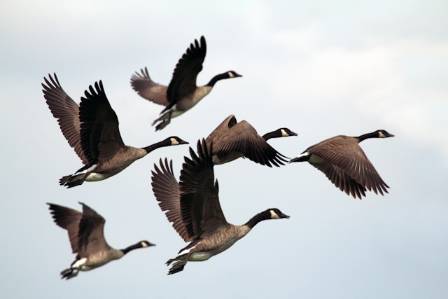
आकाश में शान से उड़ता हुआ या शहर के किसी मैदान में बेफ़िक्री से घास चरता हुआ, कनाडा हंस उत्तरी अमेरिका के सबसे मनमोहक जलपक्षियों में से एक है।
साइड · hi

क्लासिक कार खरीदारों के लिए संपूर्ण गाइड
क्लासिक कार खरीदारों के लिए इस निर्णायक संसाधन में आपका स्वागत है! यह मार्गदर्शिका महीनों के शोध, संग्राहकों और डीलरों के साथ बातचीत, तथा कार प्रेमी के रूप में मेरे व्यक्तिगत अनुभवों का परिणाम है।
साइड · en

Fascinating Facts About These Colorful Fish
Clownfish are famous for their brilliant colors, distinctive patterns, and lively personalities, making them a popular choice among aquarium enthusiasts.
साइड · hi
स्फिंक्स
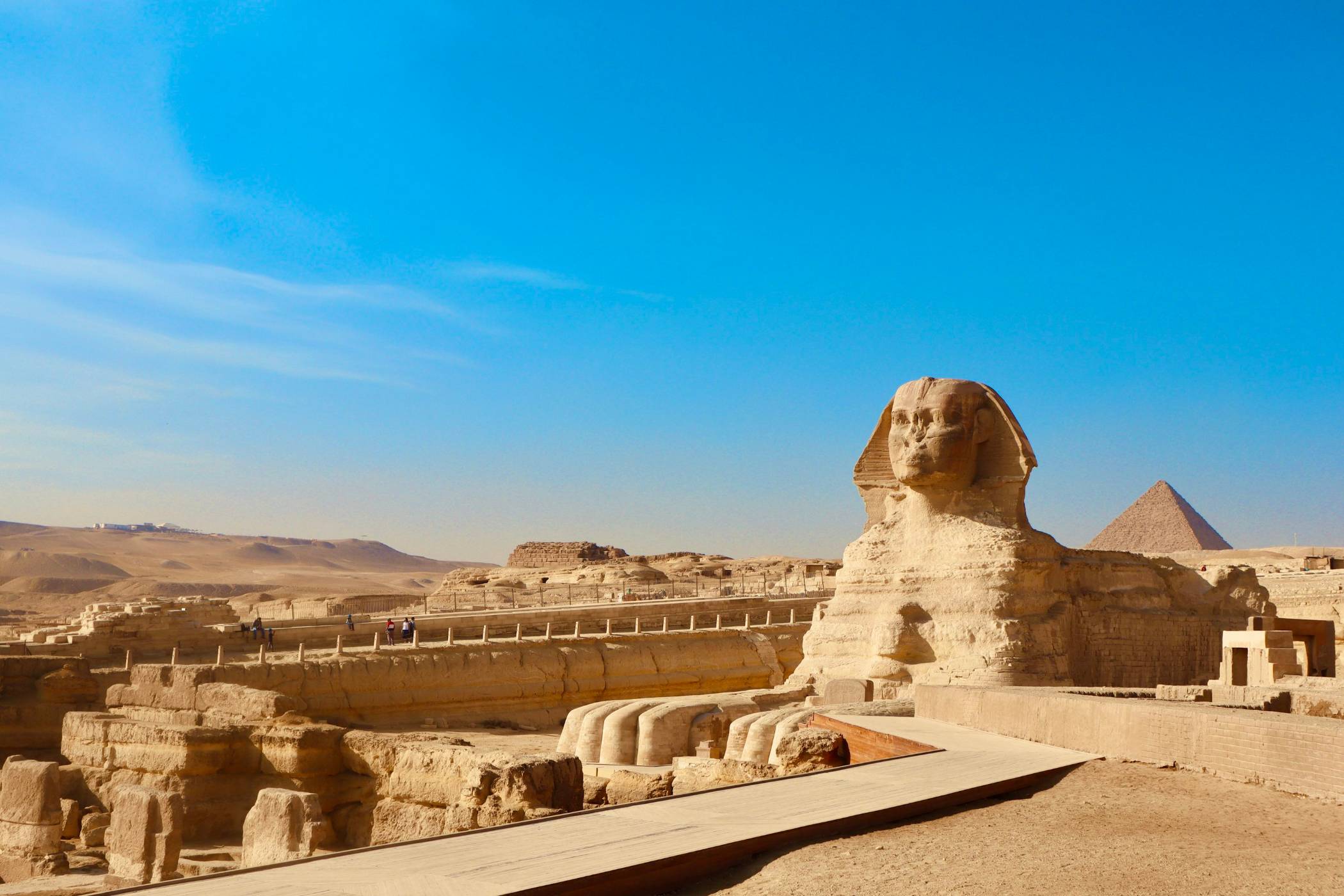
गिज़ा, मिस्र में स्थित, गिज़ा के महान पिरामिड के पास एक विशाल 4,500 साल पुरानी चूना पत्थर की मूर्ति है। इसकी लंबाई 240 फीट (73 मीटर) और ऊंचाई 66 फीट (20 मीटर) है, और यह दुनिया के सबसे बड़े स्मारकों में से एक है। यह प्राचीन मिस्र के सबसे पहचानने योग्य अवशेषों में से एक है, हालांकि विशाल संरचना की उत्पत्ति और इतिहास अभी भी बहस का विषय है।
साइड · en
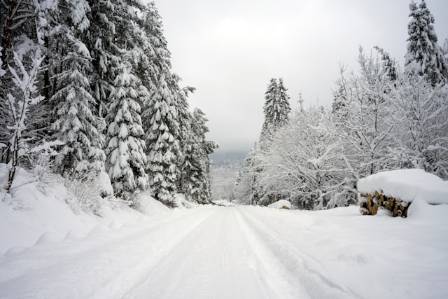
6 Thrilling US Destinations for Your Next Off-Road 4x4 Adventure
When it comes to off-road adventures, the excitement is palpable, regardless of the season. However, as winter blankets much of the northern US in snow, some might find their adventurous spirit hibernating. But fear not! Planning your next 4x4 escapade should always be on your radar. So let’s ignite that wanderlust! Here’s a curated list of 6 exhilarating off-road destinations across the United States that are bound to deliver unforgettable experiences.
साइड · hi
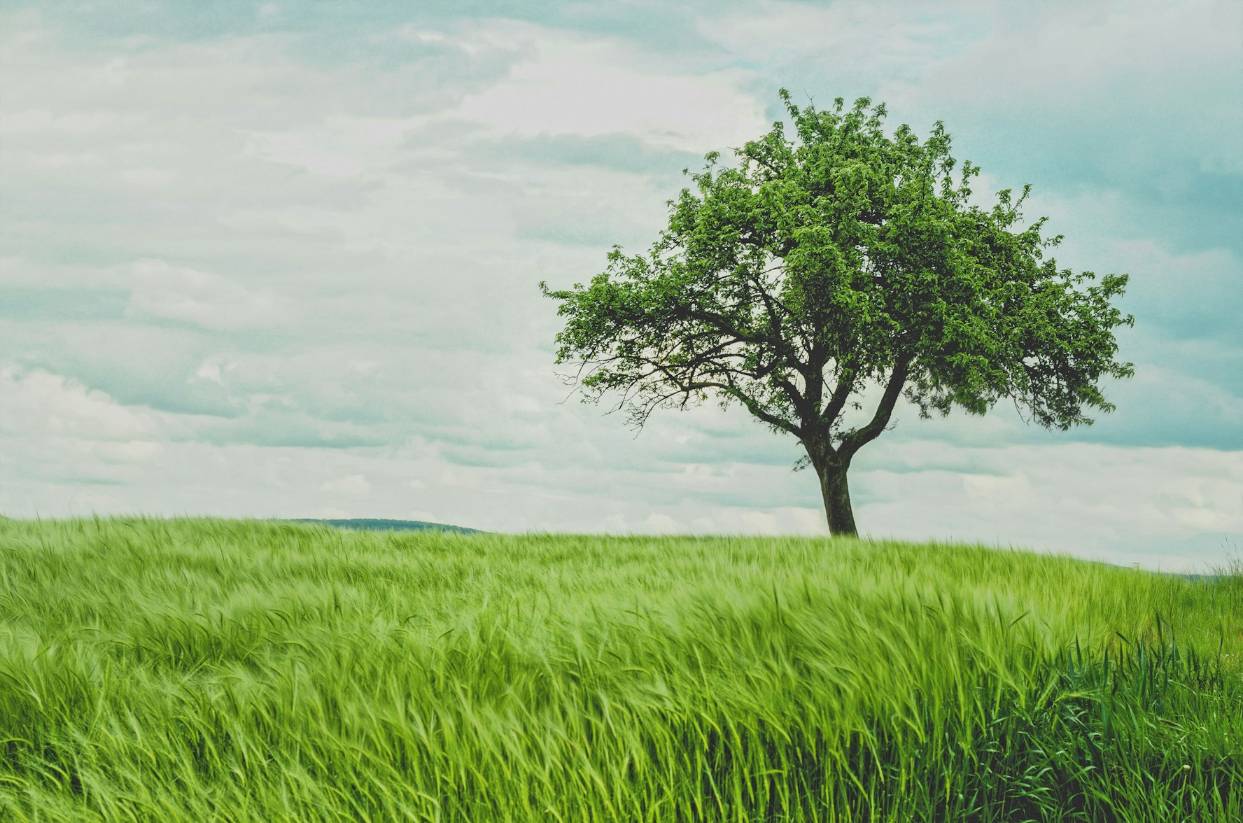
शांत स्थान कैसे शहरों में लोगों को शांत और आराम महसूस करा सकते हैं
जब आप किसी शांत जगह के बारे में सोचते हैं, तो आप क्या कल्पना करते हैं? चाहे वह एक विस्तृत खुला मैदान हो, एक सुनसान समुद्र तट, या गर्मियों की दोपहर में आलसी ढंग से बहती हुई नदी, शोध से पता चलता है कि शांति मुख्य रूप से प्राकृतिक बाहरी वातावरण में पाई जाती है। ये वे स्थान होते हैं जहां मानव निर्मित शोर का स्तर कम होता है, लेकिन जहां प्राकृतिक ध्वनियाँ—जैसे पक्षियों का गाना—अपेक्षाकृत अधिक हो सकती हैं। ऐसे अध्ययनों ने इन प्रकार के वातावरण और विश्राम, तनाव में कमी, और यहां तक कि दीर्घायु और दर्द से राहत के स्तर के बीच एक संबंध भी दिखाया है।